
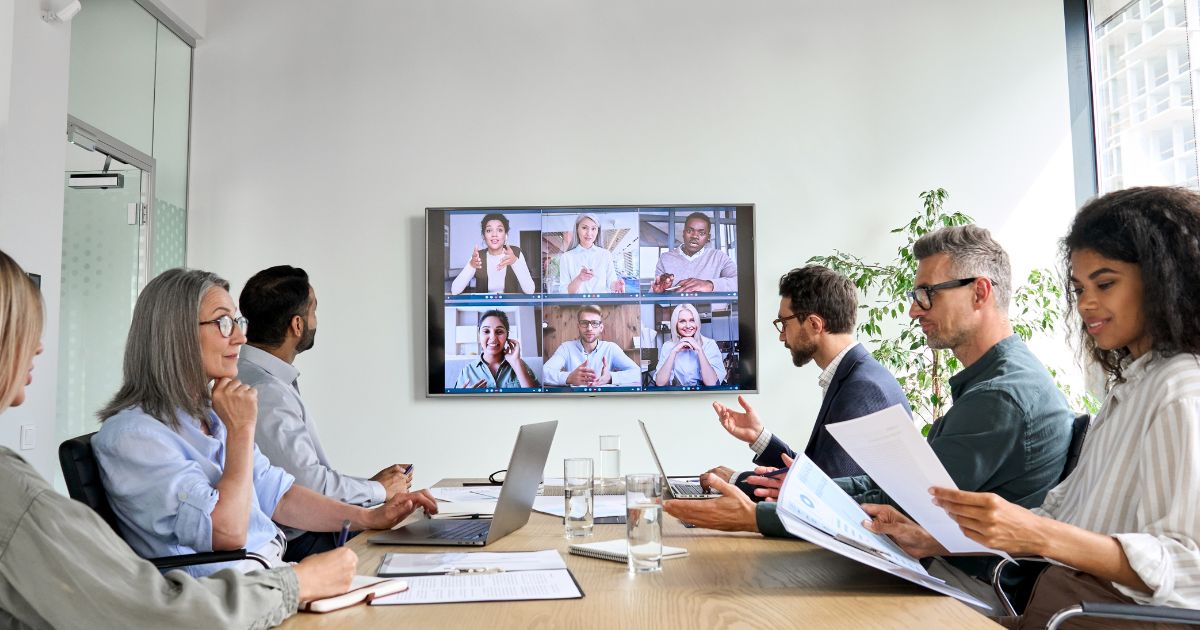
Remote work has permanently reshaped the way businesses operate, and in 2026 the evolution continues. Entrepreneurs now have access to global talent, advanced collaboration tools, flexible work structures, and new ways of building decentralized teams. Understanding these emerging trends can help business owners stay competitive, improve productivity, and build resilient operations.
Here’s what the future of remote work looks like in 2026 — and what entrepreneurs should be preparing for.
Flexible Work Models Become the Standard
Hybrid work arrangements have become the dominant model across industries. Instead of choosing between remote or in-office, businesses now offer flexibility based on:
- Employee preference
- Role responsibilities
- Productivity needs
- Project type
Why it matters:
Employees increasingly seek autonomy. Companies that provide flexible options report higher job satisfaction, reduced turnover, and stronger employer branding.
Advanced Collaboration Tools Shape Team Productivity
Remote teams in 2026 rely on a new generation of tools integrating AI, automation, and predictive insights. Platforms like Slack, Microsoft Teams, Zoom, Notion, and Asana now leverage machine learning to:
- Summarize meetings
- Suggest task prioritization
- Automate workflows
- Predict resource needs
- Enhance cross-team communication
Why it matters:
Entrepreneurs who adopt modern collaboration tools improve efficiency and reduce the friction that often comes with distributed teams.
Decentralized Teams Become More Common
In 2026, more businesses are moving toward decentralized or “borderless” teams — where talent is sourced from anywhere in the world. This approach:
- Reduces overhead and office costs
- Gives employers access to wider skill sets
- Supports 24-hour workflow cycles
- Creates more inclusive and diverse teams
Why it matters:
Location is no longer a barrier to hiring. Entrepreneurs who build decentralized teams gain agility and competitive advantages, especially in industries requiring specialized talent.
Cybersecurity Becomes a Critical Business Priority
With remote work expanding, cybersecurity threats are rising. Entrepreneurs must invest in:
- Zero-trust security frameworks
- Stronger authentication systems
- Secure cloud platforms
- Employee cybersecurity training
Why it matters:
A distributed workforce increases potential access points for breaches. Companies that prioritize cybersecurity early avoid costly vulnerabilities.
Work-Life Integration Replaces “Work-Life Balance”
As remote work matures, the idea of strict separation between work and home becomes less realistic. In 2026, businesses encourage work-life integration that allows employees to:
- Set personalized work hours
- Optimize around family/caregiver needs
- Build routines that enhance wellness
- Reduce burnout through flexible scheduling
Why it matters:
Teams perform better when they have autonomy and feel supported as individuals — not just employees.
AI Assistants Become Part of Remote Teams
AI tools now act as virtual assistants inside businesses, helping with:
- Scheduling
- Inbox management
- Meeting summaries
- Data analysis
- Task delegation
Why it matters:
Entrepreneurs can scale more efficiently by reducing administrative tasks and letting AI handle repetitive work.
The Future: Remote-First Entrepreneurship
By 2026, remote work is not a temporary adjustment — it’s the default. Entrepreneurs who embrace:
- Remote-first culture
- Digital infrastructure
- Global hiring
- Continuous employee development
…will be better positioned to grow and adapt to changing market conditions.
Remote work is no longer a trend — it’s a competitive advantage.



latest video

news via inbox
Nulla turp dis cursus. Integer liberos euismod pretium faucibua